


19 Feb 2026 Why Your Home Looks Clean But Doesn’t Feel Clean
You know that feeling when your home is technically clean but it still doesn’t feel clean?
Counters wiped. Floors done. Bathrooms shining.
And yet something’s off. Like the house never quite lands in that fresh, settled place you were going for.
This is one of the most common things people describe — and one of the most frustrating, because they’re working hard and still not getting the feeling they want. If you’ve ever thought, why does this still feel dirty? — you’re not imagining it.
“Clean” isn’t just one thing.
There’s the technical side: surfaces, air, residue, wear. And there’s the human side: how your home feels in your body and your brain. A home can check every box on the technical side and still miss on the human side.
Here’s what’s usually going on — and what to do about it.
TL;DR
If your home looks clean but doesn’t feel clean, you’re not imagining it. The issue is often a mix of technical factors (like residue, floors, lighting, and wear) and experiential ones (like clutter, scent, and high-touch areas). The fix usually isn’t cleaning harder. It’s cleaning smarter, with the right sequence, the right products, and attention to the areas your brain uses as proof that a space is truly clean.
1. Residue Changes Everything
Sometimes the problem isn’t dirt. It’s buildup.
It can come from grease, soap scum, or even cleaning products — especially the ones marketed to add “shine.” The irony is that those products are often exactly what’s making your surfaces look dull. So things look fine until you touch them. Floors feel tacky. Counters feel sticky instead of smooth. Shower walls stay cloudy no matter how much you scrub.
What helps:
Use less product. Choose cleaners that don’t leave film behind — a diluted all-purpose cleaner, dish soap and water for grease, or rubbing alcohol on glass and shiny surfaces. And every so often, go back with plain water and a cloth to remove buildup. Less is almost always more.
2. Light Shows All
Bright light is not forgiving.
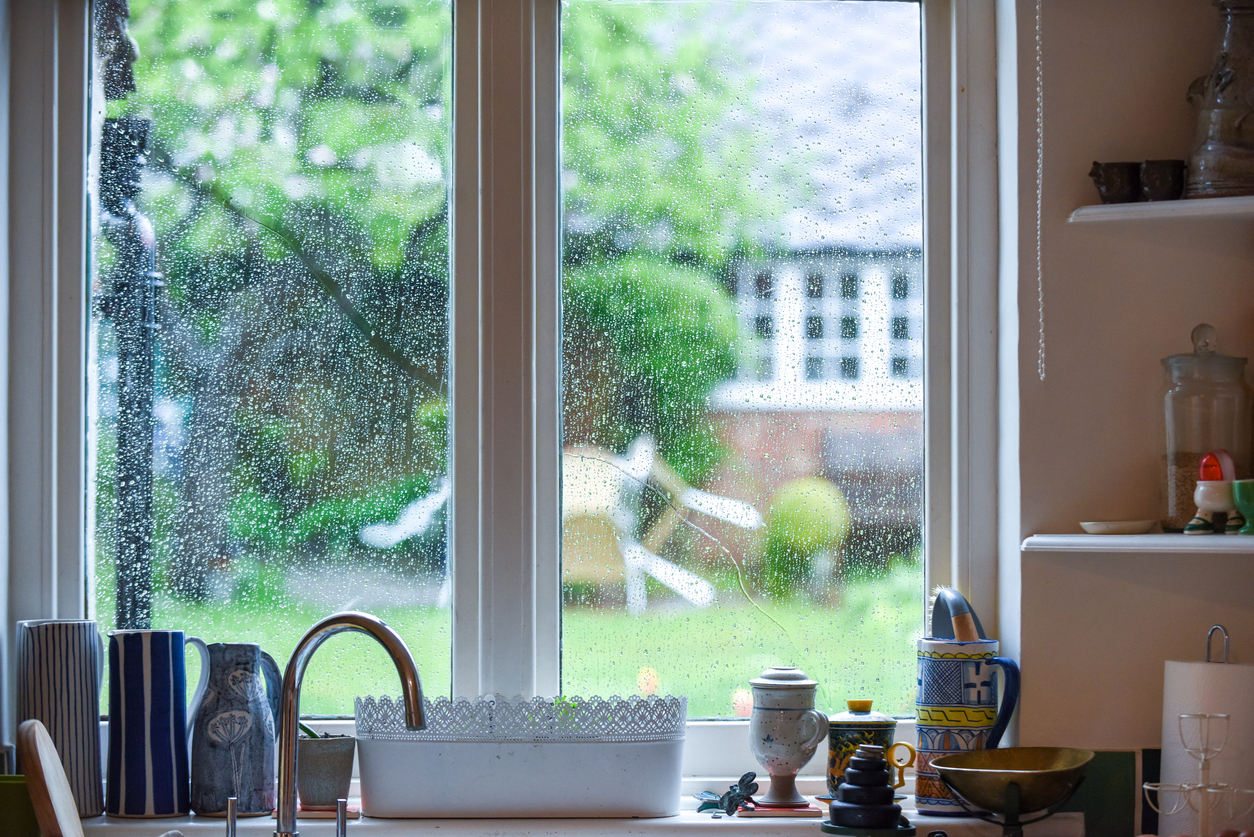
Natural light, LEDs, big windows — they reveal streaks, fingerprints, and smudges you’d never notice otherwise. Plenty of homes that look spotless under dim light tell a different story in direct sun. That doesn’t necessarily mean your home is dirty. It just means you can see more of it.
What helps:
On shiny surfaces, do a quick final pass with a dry microfiber cloth. It takes 30 seconds and makes an outsized difference in how things look under any light.
3. High-Touch Spots Matter More Than You Think
Light switches. Cabinet pulls. Faucet handles. Door knobs.
These are the spots your hands go to automatically, dozens of times a day. And they’re almost always the last things people clean. If those spots don’t feel clean, the whole house doesn’t feel clean. You can walk into a spotless kitchen, touch one sticky cabinet handle, and your brain is done. The whole room registers as dirty.
What helps:
Spend one minute hitting the spots your hands touch most. It’s a small effort with a disproportionate payoff.
4. Floors Set the Tone for Everything
If the floors don’t feel right, nothing feels right.
Even after cleaning, there can still be grit in corners, dust along the edges, pet hair collecting near the baseboards, or residue from too much floor cleaner. Floors are the surface you’re in contact with constantly — your feet feel it, your kids feel it, your dog feels it. It registers.
What helps:
Always vacuum or dry mop before you wet mop — mopping over loose debris just moves it around. And sometimes the fix is skipping the floor cleaner entirely and using just water to cut through product buildup.
5. “Dusty” Might Be in the Air, Not on the Furniture
Sometimes what feels dusty isn’t dust sitting on surfaces. It’s dust moving through the air.
That’s usually about airflow, filters, and fabric. A home with a clogged HVAC filter and heavy drapes will feel dusty no matter how often you clean it. The air itself is carrying particles and recirculating them.
What helps:
Change HVAC filters regularly — more often if you have pets. Open windows when you can. Fresh air circulation does more for that “clean feeling” than most people give it credit for.
6. Clutter Blocks the Clean Feeling
Too much stuff on surfaces creates visual noise. Your brain reads that as unfinished, as “still something to deal with.” It doesn’t matter how clean the surfaces underneath are — if they’re covered, the clean doesn’t register.
What helps:
Clear one surface in each room. Not the whole room — just one. A clear kitchen counter or an empty coffee table gives your eye somewhere to rest, and the whole room feels calmer.
7. Scent Can Fool You — in Both Directions
People often connect “clean” with fragrance. But fragrance isn’t clean. It’s just fragrance.
It covers odors instead of removing them. And after a while, heavily scented products start to build up — that artificial “lemon fresh” smell becomes its own kind of stale.
Here’s the truth: a truly clean home smells like nothing at all. Or like fresh air. That’s it.
What helps:
Focus on removing the source of odors rather than covering them. Open windows. Skip the heavily scented products when you can.
8. Sometimes It’s Wear, Not Dirt
Scratched floors. Worn grout. Dull cabinet fronts. Old caulk that’s gone gray.
These things can be completely clean and still not look fresh. This is the one that’s hardest to hear, because there’s no cleaning solution for it. No amount of scrubbing makes old grout look new.
What helps:
Know the difference between dirt and age. If you’ve cleaned something thoroughly and it still doesn’t look right, you might be looking at wear — and that’s a different conversation about maintenance or updates, not cleaning.
The Bottom Line
If your home looks clean but doesn’t feel clean, you’re not being picky. You’re noticing something real.
The answer isn’t cleaning harder or cleaning more. It’s paying attention to the right things — the residue, the air, the surfaces your hands actually touch, the spots your eye lands on when you walk in the door.
Clean isn’t a checklist. It’s a feeling. And once you know what creates that feeling, you stop chasing it and start building it.
FAQs
Why does my house look clean but doesn’t feel clean, even after cleaning?
Often it’s not about visible dirt. Residue from cleaning products, floors that still hold grit along the edges, clutter on surfaces, or high-touch areas that don’t feel fresh can all make a home feel unfinished — even when it looks clean.
What is the biggest reason a clean home still feels dirty?
Residue. Many sprays and “shine” products leave a film that attracts dust and makes surfaces feel sticky or dull, even right after cleaning. Less product usually works better than more.
Why do my floors still feel dirty after mopping?
Usually one of three things: skipping dry removal before mopping, using too much product, or a dirty mop pad that redeposits grime. Floors often need less cleaner — and better prep — not more effort.
Can lighting make a home feel less clean?
Yes. Bright natural light and overhead LEDs reveal streaks, fingerprints, and smudges that are easy to miss otherwise. That’s not a cleaning failure. That’s honest lighting.
Why doesn’t my home smell clean if I use fragrance-free products?
Because fragrance isn’t cleanliness — it’s just scent. If you’re used to heavily scented cleaners, fragrance-free can feel neutral at first. A truly clean home often smells like nothing at all.
What should I focus on if I want my home to feel clean, not just look clean?
High-touch zones first — handles, switches, faucets. Then floors and any surface that catches light: glass, stainless, mirrors. And cut back on product. Residue is usually what’s standing between clean and actually feeling clean.
What if my home feels dusty even after cleaning?
That’s usually a different issue — tied to HVAC filtration, airflow, fabrics, and cleaning order rather than surfaces.