


Filter by Post Type:
- All
- Choosing a Cleaning Company
- Cleaning Science & Products
- DIY vs Pro
- Expectations & Communication
- Guarantee
- Health & Wellness
- Indoor Air Quality & Dust
- Insurance & Risk
- Mental Health & Mood
- Operations & Team Structure
- Pricing & Value
- Safety
- Scheduling & Frequency
- Service Types
- Surfaces & Damage Prevention
Move in cleaning vs move out cleaning aren’t the same. Here’s what each includes, what “broom clean” means, and how to choose the right service.
Your home looks clean but doesn’t feel clean? Here are the technical and experiential reasons that happens, and what actually makes a space feel reset.

You don’t need to clean before the cleaners come. But a few quick prep steps can make a big difference in how thorough the clean feels, prevent frustration, and avoid extra charges.

Older homes collect dust differently and have surfaces that need more care. Here’s why older homes need a different cleaning approach—especially across the Hudson Valley and Connecticut.
Even a basic house cleaning follows a full professional system. Here’s why “just the basics” still takes time — and why that matters for results and pricing.

Salt and ice melt are brutal on floors. These simple entryway and cleaning habits help prevent scratches, residue, and finish damage all winter long.
Professional cleaning improves cleanliness and protects surfaces over time, but it can’t reverse permanent damage or compress years of wear into one visit. Here’s what to expect.

Living with pets changes how often you need to clean. Here’s how to adjust your cleaning schedule to manage pet hair, allergens, and indoor air quality.
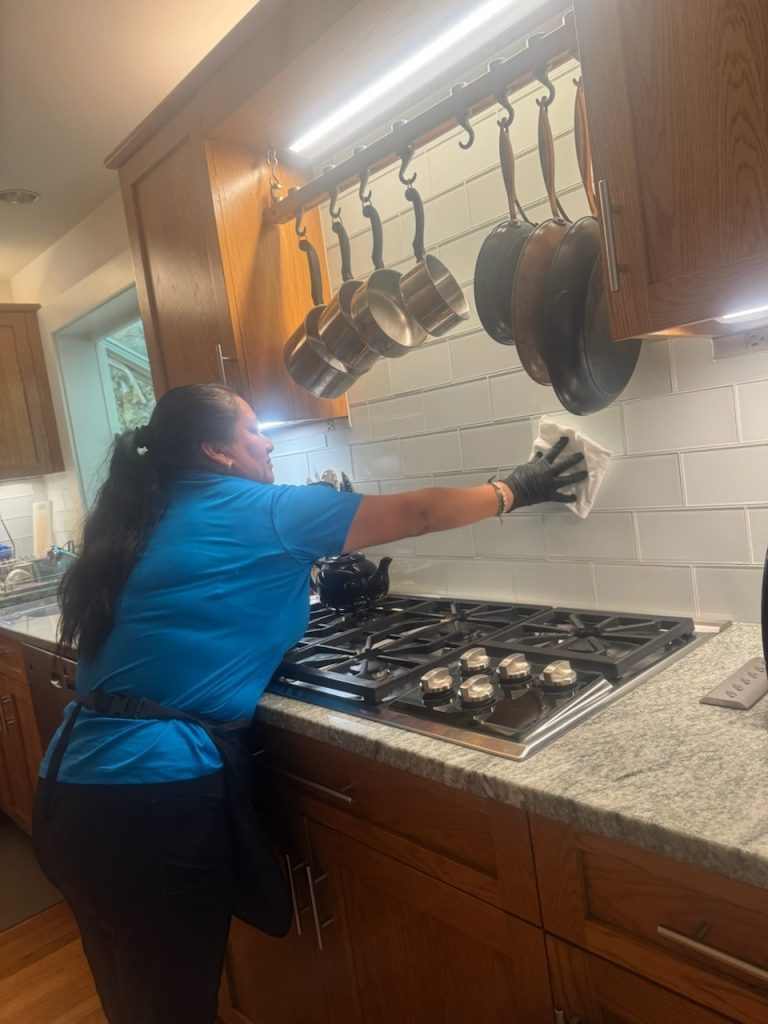
Not sure how often to schedule cleaning? Here’s a simple guide to weekly, biweekly, and monthly options—based on lifestyle, pets, kids, and budget.
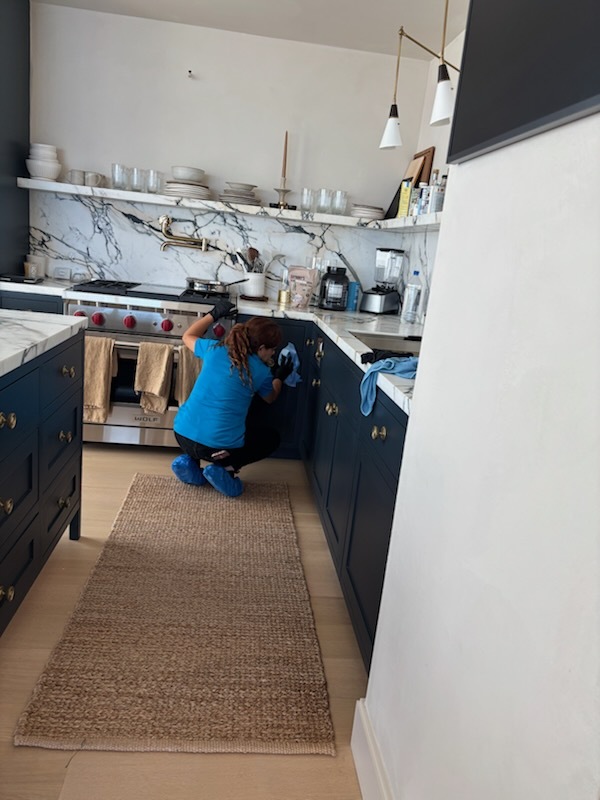
Not all rooms take the same amount of time to clean. Here’s why kitchens and bathrooms take longer — and how that impacts professional cleaning pricing.

The psychology of a tidy home isn’t about virtue or productivity. It’s about fit — and understanding how cleanliness affects focus, stress, and well-being.
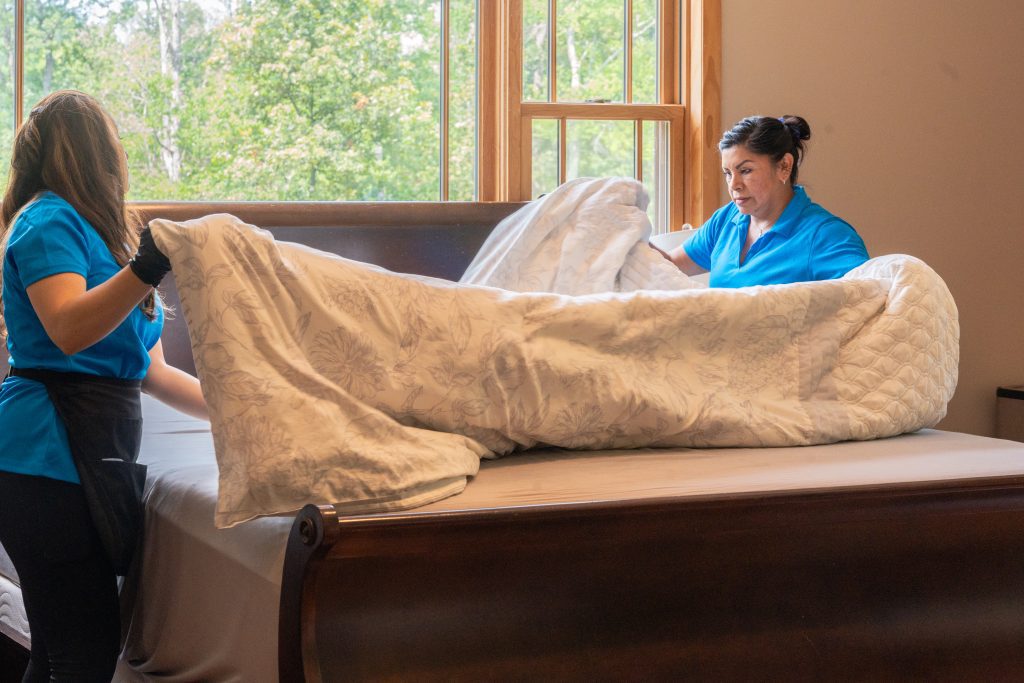
Clean home sleep better: A cleaner home can reduce dust, allergens, and stress. Here’s why it works — and what to focus on for better rest.
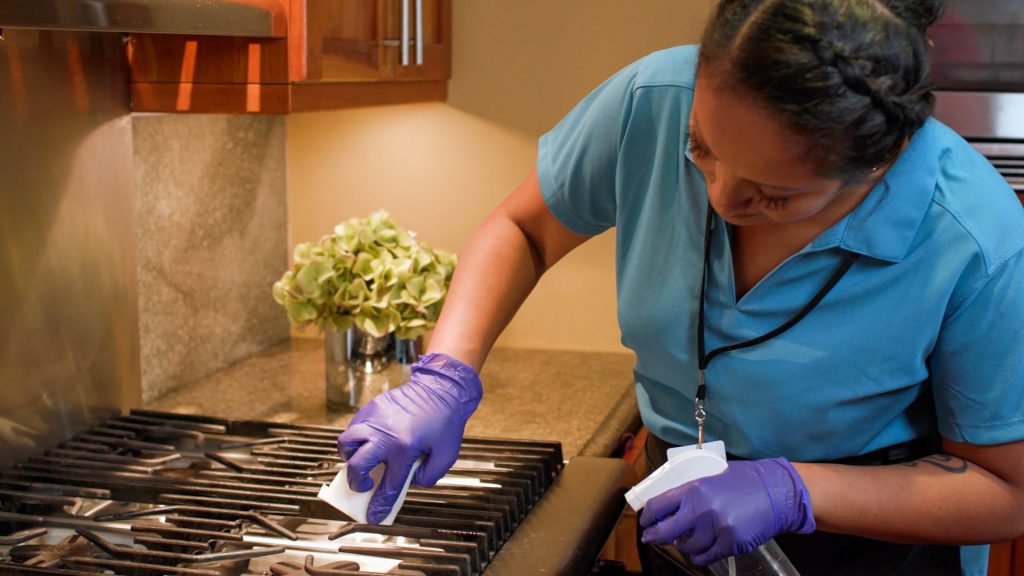
Following your cleaners from room to room slows the process and breaks their rhythm. Here’s how to communicate priorities — and get a better clean.
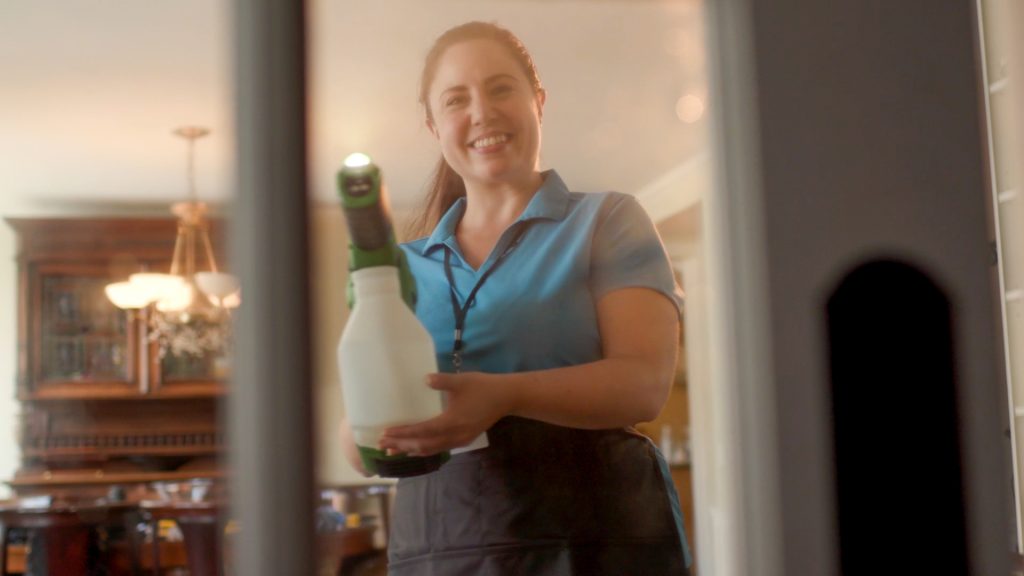
Workers’ comp when hiring a housecleaner is one of those details people don’t think about — until they need it. Most homeowners assume that if someone gets hurt during a cleaning, the company will handle it professionally and fairly — and when you hire a properly insured business, that’s usually true.

Most people who clean homes mean well. They’re trying to earn a living, help out, or offer a more affordable option — and in many cases, everything goes smoothly. Still, the risks of letting someone clean your home don’t disappear just because things are going well.
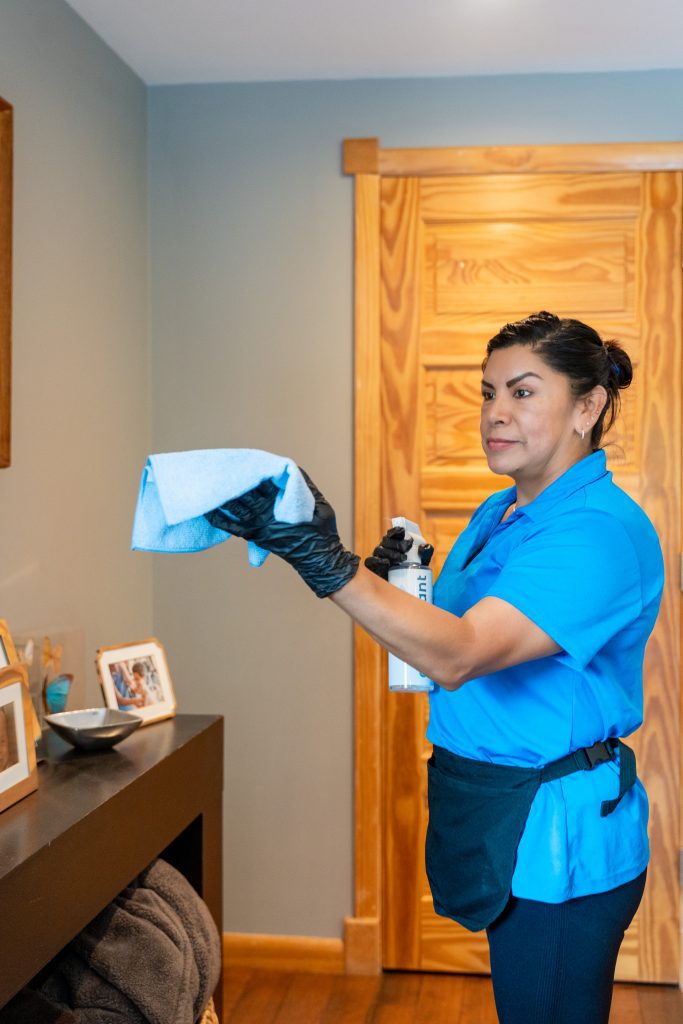
How safe are your cleaning products? Learn what traditional cleaners leave behind, why fragrance isn’t the same as clean, and how safer systems protect indoor air and surfaces.
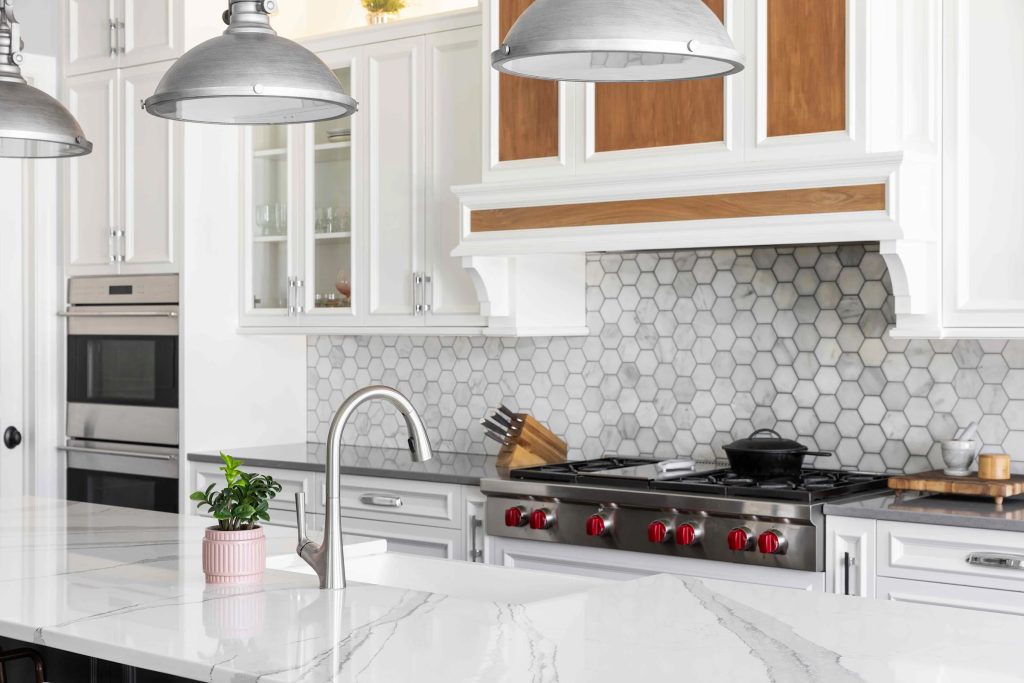
Your kitchen trash can is a vessel for some of the stinkiest stuff—fish scraps, meat packaging, banana peels, spent cleaning wipes, and whatever else the day (and meal) throws your way. While it seems logical to have the biggest bin possible, some cleaning experts argue that a smaller bin is perhaps the way to go.

Skipping a cleaning doesn’t just delay the work — it changes it. Here’s what happens when a home falls behind, why catching up is harder than you expect, and why consistency makes cleaning easier.

Housecleaning isn’t just about clean surfaces. This article breaks down the real costs and benefits people weigh—time, stress, health, and long-term home care—so you can decide if it’s worth it for your household.

When people think about protecting the value of their home, they usually think about big-ticket items: replacing the roof, upgrading appliances, or refinishing floors. But one of the most effective ways to protect your home — and the things inside it — happens quietly, week after week: regular, thoughtful cleaning.

A clean home does more than look good. Learn how cleaning supports physical health by reducing allergens, improving air quality, and helping prevent illness.

Does a clean home affect mental health? Research shows that reducing clutter and maintaining a clean space can lower stress, improve focus, and support emotional well-being.
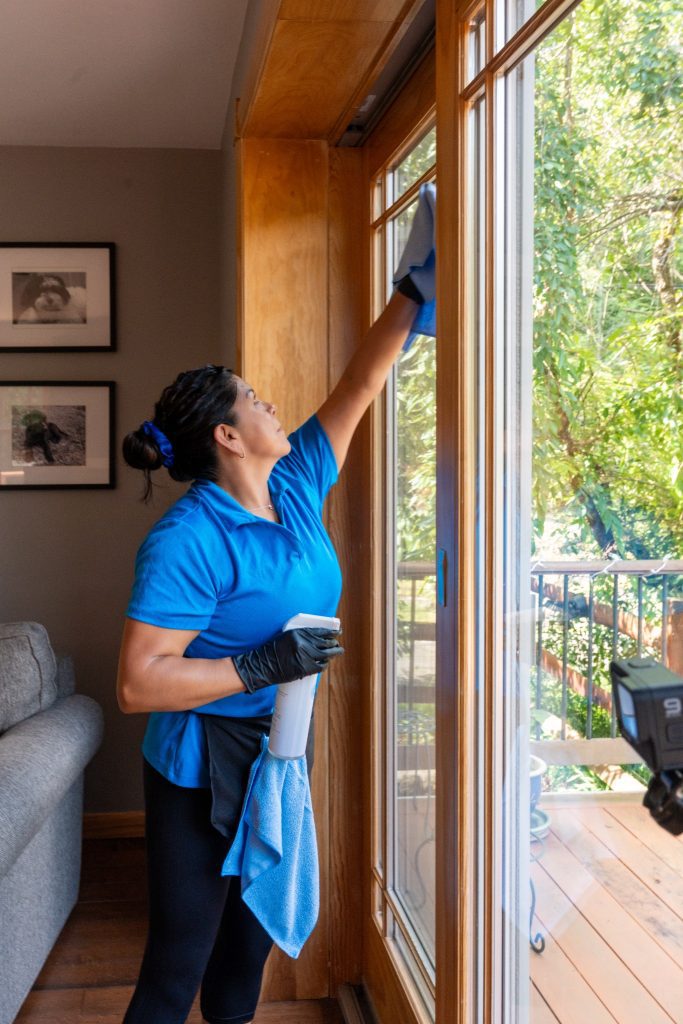
Local cleaners vs national franchises—what’s the real difference? This straightforward comparison breaks down the pros, cons, and key factors to help you choose the right house cleaning company for your home.
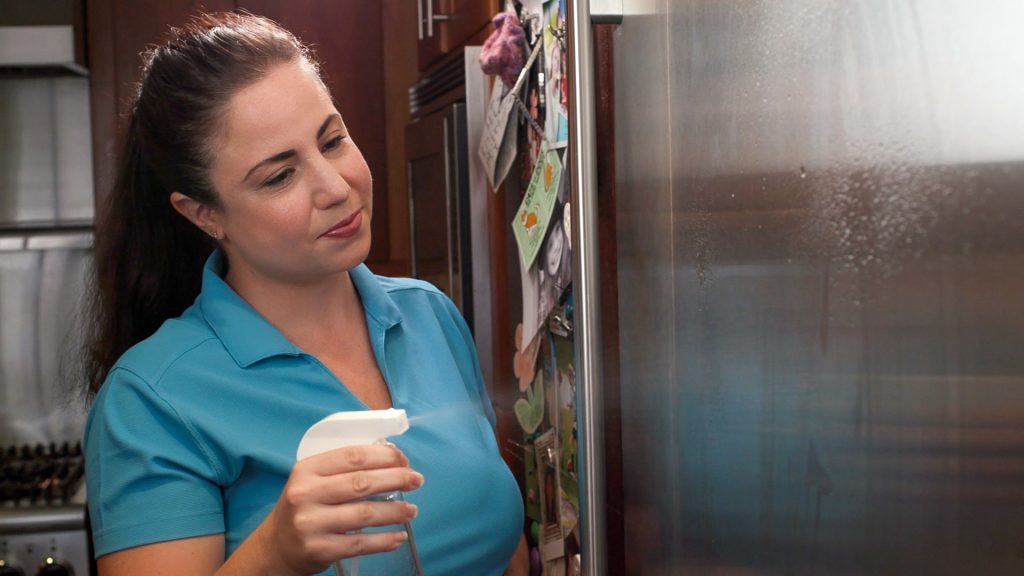
Many common cleaning habits do more harm than good. From overspraying and over-scrubbing to using the wrong products, these simple mistakes can quietly damage your home’s surfaces—and what to do instead.

Not every house cleaning service is right for every home. Here’s how to tell if Maid Brigade is a good fit — and when we’re not.

Even the best cleaning services occasionally miss the mark. Maybe a mirror was streaky, a corner was overlooked, or a room didn’t feel as fresh as usual. It happens. But knowing what to do if you’re not happy with a cleaning can make all the difference in how the issue gets handled.

Sometimes it becomes obvious when your cleaning company isn’t meeting your needs — inconsistent results, slow communication, or rising frustration. Here are 10 clear signs it may be time to switch and what to look for in a company that truly cares for your home.

Electrolyzed water cleans as powerfully as bleach — without toxins, fumes, or residue. Learn why Maid Brigade’s PUREcleaning® system uses this safe, sustainable, hospital-grade solution for your home.
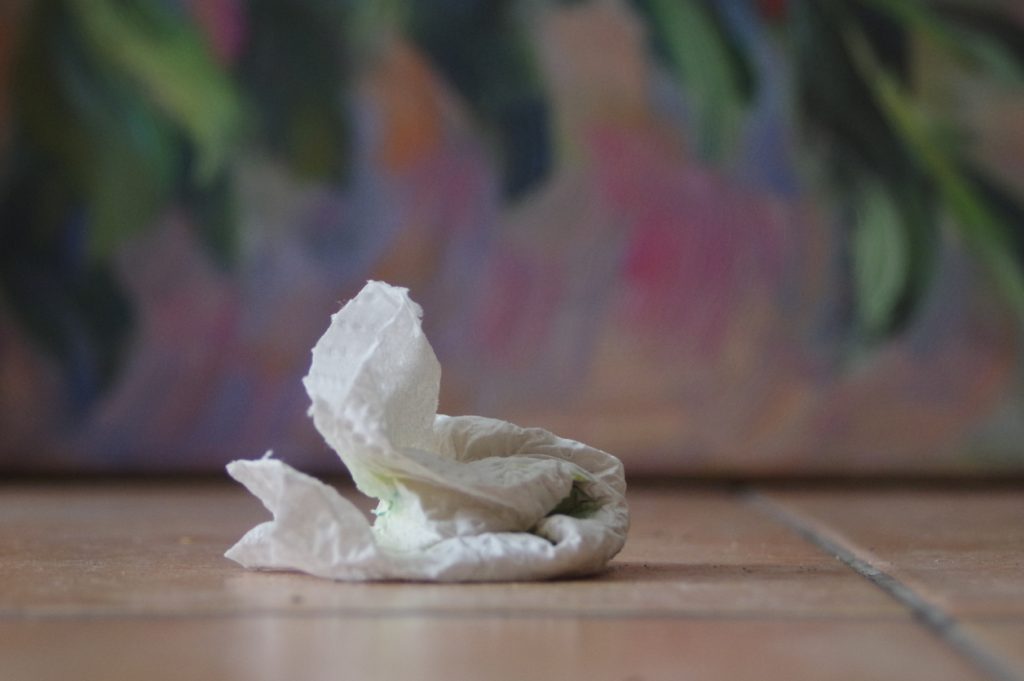
The white paper towel test makes most floors look “dirty,” even right after a good cleaning. Dust resettles instantly, old product buildup loosens, and paper towels shed fibers — all of which create misleading results. A truly clean floor looks even, feels smooth, and stays mostly clean under socks, not on a paper towel.

Wondering why your home still feels dusty after cleaning? Dust forms constantly from HVAC airflow, fabrics, pets, and daily habits. Here’s what causes it — and how to reduce it for a cleaner, healthier home.

A great cleaning service earns your trust even after the cleaning is done. Here’s how to spot the warning signs — and the qualities that show you’re in good hands.

Wondering what can go wrong before a house cleaning? From hidden fees to no-shows and unclear guarantees, here are the warning signs to look for when choosing a cleaning company.

Before your first house cleaning, problems can show up — from bait-and-switch pricing to poor communication and weak guarantees. Here are the signs that help you avoid the wrong companies.

People use a lot of different terms when talking about cleaning help. “Cleaning lady,” “housekeeper,” “maid,” and “housecleaner” are often used interchangeably, but they don’t mean the same thing. The differences come down to what the job includes, how often the person comes, and how professional the arrangement is.

Team cleaners and solo cleaners offer different benefits. This guide explains how each approach works, what to expect from both, and how to decide which one best fits your home, schedule, and comfort level.

DIY cleaning and professional cleaning each have strengths. This guide explains when it makes sense to handle tasks yourself and when hiring help may be more practical, depending on time, tools, goals, and the condition of your home.

House cleaning doesn’t have to break the bank. This guide explains smart, practical ways to pay less for house cleaning — from flexible scheduling to simplifying your scope — all without compromising quality or consistency. Learn how to save money while still getting the level of service your home needs.

House cleaning prices can vary widely, but the difference isn’t just about how clean your home gets. It comes down to how each company operates — from training and pay to insurance, equipment, and customer support. This guide explains why some cleaning companies charge more than others and how to choose the option that best fits your home, your expectations, and your comfort level.
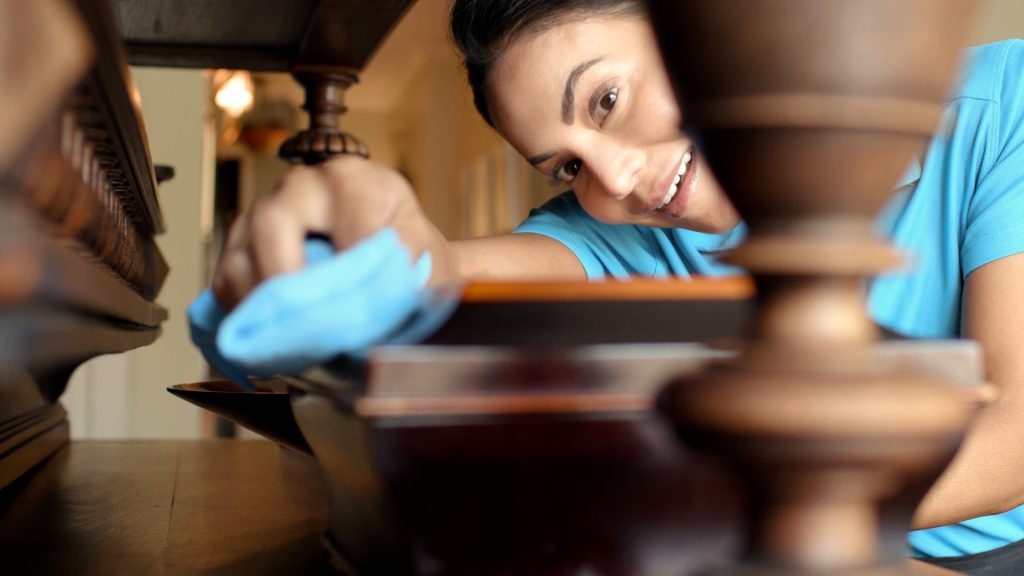
When people talk about “getting the house cleaned,” they can mean very different things. Some want a full reset before moving in. Others need regular upkeep so things never pile up.

A regular cleaning keeps your home fresh week after week — but a deep cleaning goes several layers further. This guide explains the real difference between recurring maintenance and a detailed top-to-bottom reset, including what each service covers, when you need one over the other, and how they work together to keep your home consistently clean, healthy, and easy to maintain.

A deep cleaning is a detailed top-to-bottom reset, and understanding what’s included in a deep cleaning helps you know exactly what to expect.
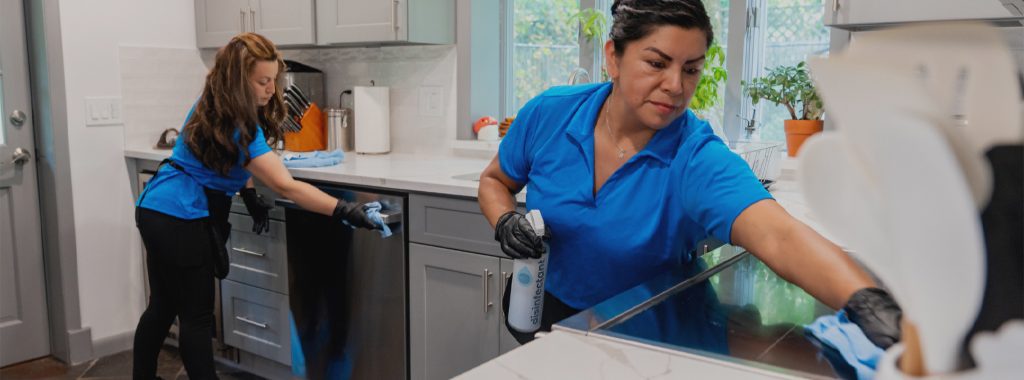
Regular cleaning keeps your home healthy, fresh, and easy to maintain. A regular cleaning prevents grime, soap scum, dust, and buildup from taking over, so your home feels cared for all the time — not just right after a deep clean…

Ever wondered how housecleaning rates are calculated and why they vary so much from one quote to another? Some companies charge hourly, others offer flat rates, and sometimes the price differences seem hard to explain. But cleaning rates aren’t random — they’re based on time, labor, overhead, and the level of care required.

Ever wonder what goes into the price of house cleaning, or why one home costs more to clean than another, even when they’re about the same size? It’s not random. There are real factors that impact how long a cleaning takes, how detailed it needs to be, and how often it should happen.

Ever wondered why house cleaning prices are all over the map, or why one quote can be twice what another company or cleaner charges? It’s not random — and it’s not just about how clean your home gets. Behind every price is a different business model, level of protection, and standard of care.