


02 May 2026 6 Types of Floors to Never Steam Mop, According to Cleaning Experts
Steam mops aren’t suitable for all surfaces.
See the full article on Martha Stewart
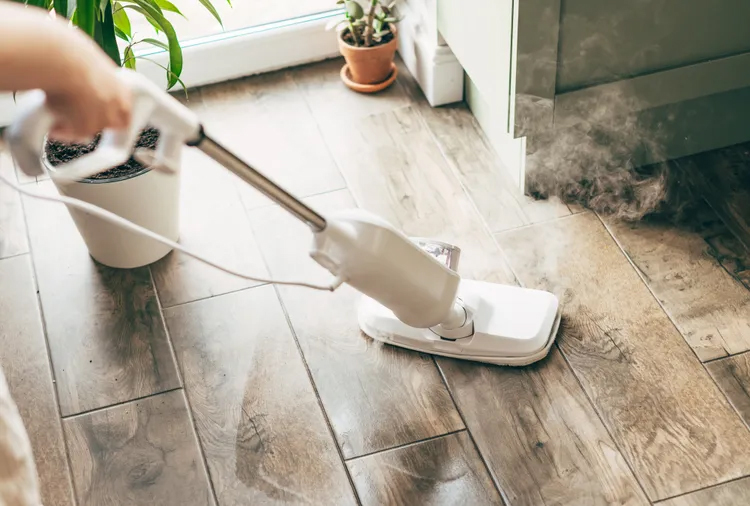
A steam mop is a useful cleaning tool that uses heat and moisture to sanitize surfaces. While it’s great for cleaning bathroom and kitchen tile and refreshing fabrics and upholstery, there are certain areas of your home that can’t withstand the high heat a steam mop releases. It’s especially important to be careful when steam mopping your floors, as the steam and moisture can cause warping, staining, etching, and other damage. Ahead, cleaning experts share the types of floors you should never steam mop—and the reasons why.
Meet The Expert
- Robin Murphy is the cleaning expert and chief cleaning officer of Maid Brigade
- Becky Rapinchuk is the founder of Clean Mama, the author of four books, and the creator of the popular Clean Mama Routine
Types of Floors to Never Steam Mop
The heat and moisture from a steam mop can damage various flooring, such as laminate, unsealed or waxed hardwood, engineered wood, and many types of vinyl plank. “These floors may look durable, but they’re very sensitive to heat and moisture,” says Becky Rapinchuk, the founder of Clean Mama.
01. Stone
Natural stone floors, particularly marble or travertine, can be damaged by steam. “Steam can break down sealers over time and leave the surface more exposed to staining or etching,” says Robin Murphy, cleaning expert and chief cleaning officer of Maid Brigade.
02. Hardwood
Hardwood floors are sensitive to excessive moisture, making it unsuitable for steam mopping. “With hardwood, the concern is moisture getting into the seams,” says Murphy. “Over time, that can lead to cupping, warping, or dulling of the finish. Older floors are especially vulnerable because the seal may not be as strong.”
03. Laminate
Laminate is a synthetic flooring material known for its durability. However, it is extremely susceptible to moisture damage—even more so than hardwood. “Steam can seep into the joints and cause swelling or bubbling, and once that happens, it’s not reversible,” Murphy says.
04. Vinyl Plank
Often chosen for its cost-effectiveness and sturdiness, vinyl plank flooring is mostly waterproof, but it won’t withstand high heat. “The extreme heat can actually warp the planks themselves or cause the adhesive underneath to fail,” says Rapinchuk.
05. Cork
Cork is a naturally porous material, and many cork floors are layered or have a fiberboard core. “Steam can work its way into seams, stress the finish, and eventually cause swelling, warping, or separation in the layers,” Murphy says.