


23 Mar 2026 How to Clean Mold with Vinegar Without Making a Whole Production Out of It
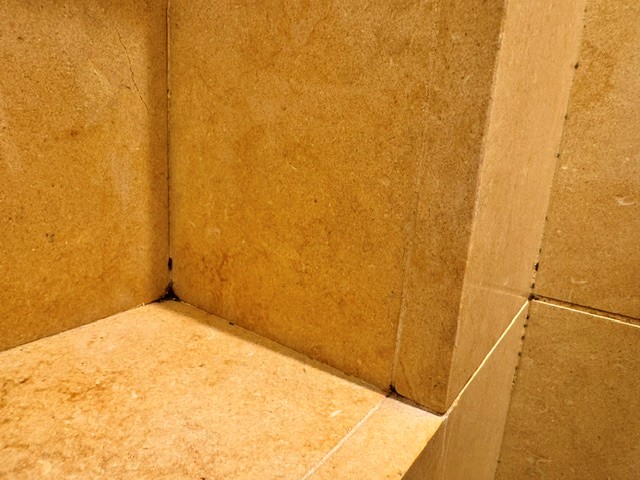
You know the moment. You’re in the shower, minding your own business, and then you see it: a little gray shadow in the corner, a darker line along the grout, or something suspicious happening around the caulk.
It’s not dramatic. It’s not a biohazard scene. It’s just there, quietly announcing that your bathroom has been a little too damp for a little too long.
If you’re trying to clean mold with vinegar, this is usually where the question starts.
And honestly? That’s usually what mold is. Not a moral failure. Not proof that your house is dirty. Just moisture, time, and a surface it can cling to.
First, know what you’re dealing with
Most of the “mold” people notice in bathrooms is surface mold or mildew. It shows up on tile, grout, shower doors, and around tubs because bathrooms are basically mold’s preferred vacation home: warmth, moisture, soap residue, and not enough airflow.
The good news is that if it’s sitting on the surface, you can usually deal with it yourself. The less-good news is that if it’s inside drywall, spreading across ceilings, or coming back immediately after you clean it, vinegar is not going to be the hero of that story. That’s when you need to look at the bigger moisture problem.
And honestly? That’s usually what mold is. Not a moral failure. Not proof that your house is dirty. Just moisture, time, and a surface it can cling to.
Does vinegar kill mold?
Yes, white vinegar can kill mold on many bathroom surfaces. It’s mildly acidic, which makes it useful for breaking down surface mold. I like vinegar for certain jobs because it’s simple, inexpensive, and it doesn’t rely on harsh chemicals.
If you’re curious about what’s in most conventional cleaners, and why that matters, here’s a closer look at how safe your cleaning products really are.
That said, vinegar is not magic in a spray bottle. It works best when the mold is surface-level and the material underneath can handle it.
Where vinegar works well
Vinegar is a good option for cleaning mold on tile, glass shower doors, light to moderate grout stains, shower walls, and other non-porous bathroom surfaces.
I would be more careful with natural stone, wood, painted surfaces, old or damaged caulk, and anything porous. And if the caulk has deep black staining, you may not be cleaning it anymore. You may be replacing it. That’s not defeat. That’s just reality wearing rubber gloves.
Where vinegar works well
Vinegar is a good option for cleaning mold on tile, glass shower doors, light to moderate grout stains, shower walls, and other non-porous bathroom surfaces.
I would be more careful with natural stone, wood, painted surfaces, old or damaged caulk, and anything porous. And if the caulk has deep black staining, you may not be cleaning it anymore. You may be replacing it. That’s not defeat. That’s just reality wearing rubber gloves.
How to clean mold with vinegar
Pour undiluted white vinegar into a spray bottle. Don’t water it down, don’t add bleach, and don’t start creating a kitchen-sink chemistry experiment because the internet got enthusiastic. Just vinegar.
Spray the vinegar directly onto the mold and make sure the area is fully wet. Then leave it alone. This is the part people skip because we all want to scrub immediately and feel productive, but vinegar needs time to work. Let it sit for at least 30 minutes. An hour is better.
After it sits, scrub the area gently with a brush, sponge, or old toothbrush for grout lines. You do not need to attack the wall like it owes you money. If it’s surface mold, steady scrubbing should loosen it.
Then wipe the area with clean water and dry it well. That last part matters more than people think. If you leave the area wet, you’ve basically cleaned the mold and then sent it a tiny invitation to return.
Don’t mix vinegar and bleach
This deserves its own warning label: do not mix vinegar with bleach. It can create harmful fumes, and it does not make your cleaning more effective. It just makes your bathroom unsafe. This combination can release chlorine gas, which is why it’s never a good idea to mix these two products together.
Why mold keeps coming back
If mold keeps coming back, the problem probably isn’t your cleaning technique. It’s moisture.
Bathrooms stay wet. Fans don’t get used long enough. Towels sit damp. Shower doors stay closed. Corners never fully dry. Mold doesn’t need much. It just needs the same damp little conditions over and over again.
So yes, clean the mold. But also change what’s allowing it to grow.
How to help prevent mold after cleaning
You don’t need a complicated system. Just a few boring things that actually work.
Run the bathroom fan during your shower and after. Open a window when you can. Leave the shower door or curtain open so air can move. Hang towels so they dry fully. Wipe down problem areas when you notice them getting damp.
The goal is not to become a person who lovingly dries every tile with a monogrammed cloth. The goal is to stop your bathroom from staying wet for hours.
What matters more than scrubbing
I’ve seen bathrooms that were scrubbed constantly and still had mold. That tells you something.
Cleaning matters, of course, but moisture matters more.
The homes that stay ahead of mold are not necessarily cleaned with the strongest products. They’re the ones where water doesn’t get to linger and start freelancing.
FAQs about cleaning mold with vinegar
Can vinegar remove black mold?
Vinegar can help remove surface-level black mold, especially on tile and grout. If the staining is deep or embedded in caulk or drywall, cleaning may not be enough and the material may need to be replaced.
How long should vinegar sit on mold?
At least 30 minutes, but closer to an hour gives better results. The contact time is what allows vinegar to break down the mold before you scrub.
Is vinegar better than bleach for mold?
Vinegar is often better for everyday surface mold because it penetrates slightly and doesn’t create harsh fumes. Bleach can remove the appearance of mold on some surfaces but keep in mind that it doesn’t always address it beneath the surface.
The bottom line
Cleaning mold with vinegar is a simple, practical way to deal with everyday bathroom mold on the right surfaces. Use it straight, let it sit, scrub gently, rinse, and dry.
Then pay attention to the moisture.
Because vinegar can help you clean what’s there, but keeping mold from coming back starts with helping your bathroom dry out.