


19 Mar 2026 The 5 Places Even Clean Homes Miss
By Robin Murphy, Chief Cleaning Officer, Maid Brigade a Westchester-based housecleaning company she has led for 30 years. She focuses on high standards, healthy-home practices, and the details that make a home feel truly clean.
See the full article on Westchester Magazine
Looks clean” and “feels clean” aren’t the same thing.
A home can look spotless and still feel slightly off. The counters are clear. The floors are done. The bathroom shines. And yet the air feels heavy. A room smells almost fresh. You wake up a little stuffy and blame it on the season.
Often, it’s not the season.
Most of us clean what we can see. What affects comfort, however, tends to live just outside our line of sight. Over time, that quiet buildup changes how a home feels—how the air moves, how rooms smell, even how well we sleep.
Here are five commonly overlooked areas that make a noticeable difference when addressed.
01. HVAC Filters and Return Vents
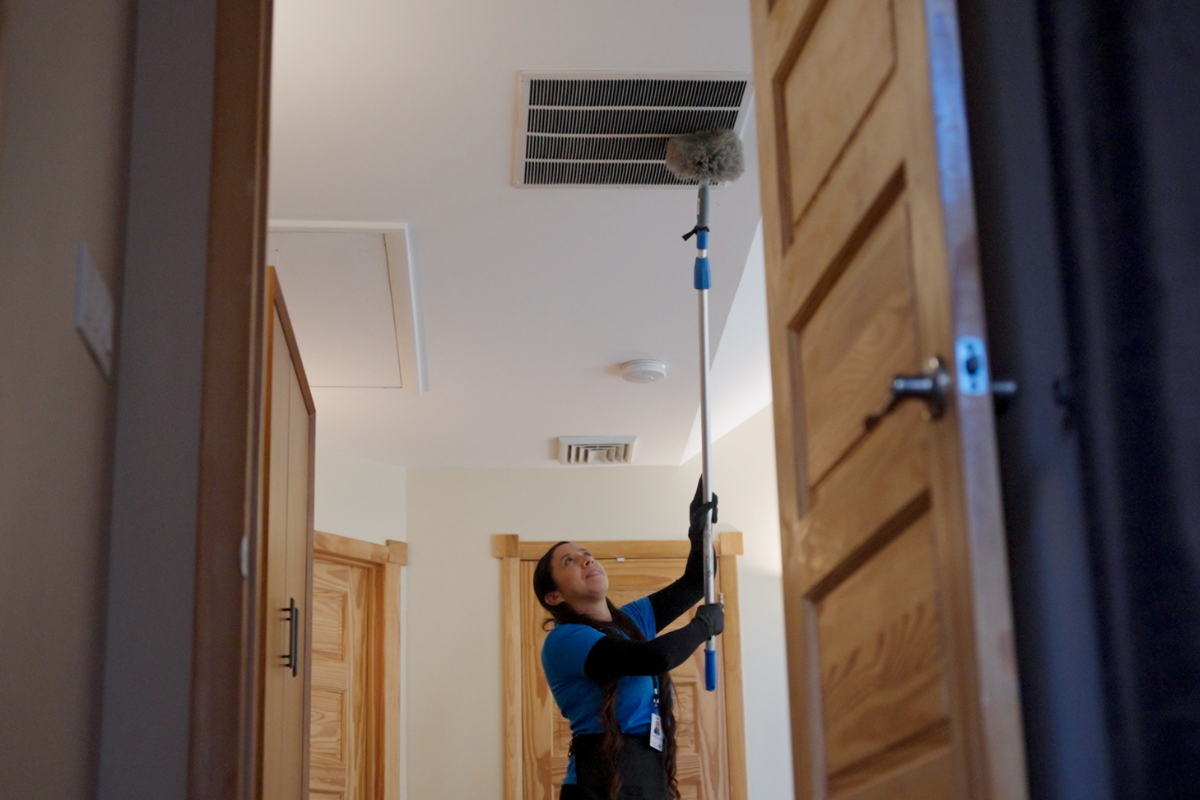
If your home had lungs, the HVAC system would be them. When a filter is overdue—or when return vents are coated with dust—the system continues circulating air through that buildup.
The result isn’t dramatic, but it’s perceptible: rooms feel heavier, dust settles faster, and allergy symptoms may linger.
What to do: Check filters monthly and replace them according to manufacturer guidelines (more often in homes with pets). Vacuum return vent covers with a brush attachment and wipe with a damp microfiber cloth. Small maintenance here has an outsized impact.
2. Bathroom Exhaust Fans
Bathrooms receive frequent surface cleaning, yet lingering moisture is often the source of that subtle “never quite fresh” feeling.
Dust-clogged exhaust fans move air inefficiently, allowing humidity to settle into grout and ceilings. Over time, trapped moisture leads to odor.
What to do: Vacuum or wipe the fan cover monthly. If safe, remove and clean it several times a year. Run the fan for 15–20 minutes after showers to fully clear humidity from the room.
3. Upholstery and Area Rugs
Hard surfaces show dirt. Soft surfaces store it.
Area rugs and upholstered furniture quietly collect dust, pollen, and debris carried in on shoes and clothing. Even in well-maintained homes, these fibers can hold an invisible layer that affects indoor air and overall freshness.
What to do: Vacuum upholstery with an attachment every few weeks. For rugs, make slow passes in multiple directions rather than a quick once-over. Periodic professional cleaning can significantly improve how a space feels.
4. Door Frames, Baseboards, and Trim
Architectural details such as door frames, stair rails, and baseboards act as natural dust shelves. Because they sit below eye level, buildup often goes unnoticed.
Over time, that dust does more than dull the look of a room. It can contribute to poorer indoor air quality and may aggravate allergies, asthma, and other respiratory sensitivities as particles circulate through the home.
What to do: Instead of tackling the entire house at once, rotate rooms on a manageable schedule. Use a damp microfiber cloth to capture dust rather than dispersing it.