


08 Jul 2025 We Asked Cleaning Pros How Often to Wash Kitchen Towels and We Were Shocked By Their Answer
See the full article on The Spruce
Key Takeaways:
- Dishcloths should be washed daily or after each use, according to cleaning experts.
- Why so often? Dish cloths collect bacteria when they come in contact with food or stay damp for long periods of time.
- Dishcloths can be cleaned in the washing machine or by boiling them in hot water
Dishcloths are an easy way to curb paper towel use and tackle grime. With a quick swipe and a little elbow grease, your home can transform from messy to squeaky clean. However, since you’re not disposing of dishcloths after each use, they can get dirty quickly.
In other words, dishcloths need to be cleaned frequently—but just how frequently should they be washed?
We tapped cleaning pros for the answer, along with a step-by-step breakdown of how to wash dishcloths so that your home truly stays clean.
How Long Can You Use a Dishcloth Before It Needs Washing?
Experts agree that dishcloths should be washed daily or after each use.
Once it’s come into contact with raw ingredients, surfaces with food residue, or even just your not-quite-clean hands, that cloth is no longer safe to reuse,” says Robin Murphy, chief cleaning officer of Maid Brigade. “Even if it looks clean, bacteria like E. coli and Salmonella can be hanging out invisibly, especially in the warm, damp fibers of the cloth.”
If you’ve wiped up raw meat juices or left it damp overnight, it’s best to wash the dishcloth immediately.
“Dishcloths are constantly exposed to food particles, grease, and moisture, creating the perfect environment for bacteria to multiply quickly,” explains Karina Toner, operations manager at Spekless.
6 Reasons Dishcloths Get Dirty Quick
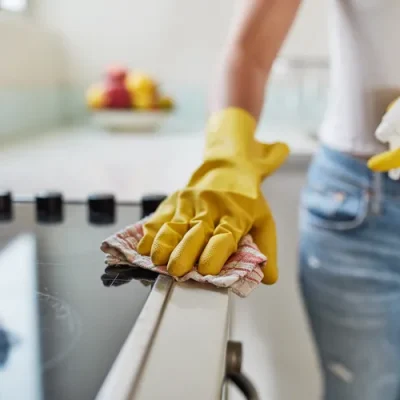
- Wiping residue, especially from meat: “Raw proteins like chicken or beef can leave behind invisible traces of bacteria [and] once that’s in the fibers of your cloth, it can linger and multiply,” Toner says.
- Drying hands (that aren’t really clean): “Even if you just rinsed your hands, if you didn’t wash with soap or were handling raw ingredients, you’re transferring bacteria to the cloth,” Murphy notes.
- Lingering counter crumbs: Food residue and grease can stick onto appliances or corners, even after wiping off the surface. “If your dishcloth isn’t rinsed out well between wipes, it acts more like a sponge spreading bacteria rather than removing it,” Toner says. “Plus, counters are often a hotspot for cross-contamination: bags from the grocery store, purses, phones, or even pets might land there.”
- Staying damp for long periods: “A damp cloth is basically a petri dish,” Toner says. “Once it’s wet, warm, and left to sit, bacteria and even mold can start to grow within hours.”
- Leaving it in the sink: Tossing your dishcloth in the basin or draping it over the faucet traps moisture and exposes it to a germ-heavy zone. “Letting your cloth air-dry properly—ideally on a clean hook or bar—is key to keeping them from turning into a stinky mess,” Toner advises.
- Double-dipping between uses: “Using the same cloth on the counter, stove, fridge handle, and cutting board spreads germs around,” Murphy says. “It’s like cross-contamination on tour.”
Tip
"I recommend color-coding your cloths or setting aside different ones for specific tasks like one for dishes, one for counters, and one for spills," Toner says. "It makes a big difference in keeping things truly clean."
How to Wash Dishcloths the Right Way
- Rinse it off: Shake off crumbs and rinse away any grease or food residue using hot water.
- Toss it in the washing machine: Opt for high-temperature water and a heavy-duty detergent. Murphy recommends using the “sanitize” or the longest hot cycle if you have it.
- Add a disinfecting boost: This step is optional, but can help cut through tough grime and odors. Add a half cup of white vinegar during the rinse cycle to fight bacteria. “For extra power, sprinkle in baking soda or a splash of hydrogen peroxide with your detergent,” Toner says.
- Dry completely: Use the hottest dryer setting or line-dry the dishcloth in direct sunlight to prevent any further bacteria from developing.
- Replace regularly: “Even with proper washing, replace dishcloths every one to two months or when they show signs of wear, staining, or lingering odor,” Toner suggests.
Tip
A machine isn't necessary to sanitize your dishcloths. Simply bring a pot of water to a rolling boil, drop in your dishcloths for 10 to 15 minutes, remove them with tongs, and let them air dry completely.