


19 Feb 2026 Why Your Home Looks Clean But Doesn’t Feel Clean
You know that feeling when your home is technically clean, but it still doesn’t feel clean?
The counters are wiped. The floors are done. The bathrooms look shiny. And yet something feels off, like the home didn’t fully reset.
If you’ve ever thought, “My home looks clean but doesn’t feel clean,” you’re not imagining it. This is more common than people realize, and it’s not always a sign that the cleaning was poor.
There are two ways to understand it:
- The technical side (what’s happening with surfaces, air, residue, and wear)
- The experiential side (how a home feels in your body and brain)
Both matter. And when you know what you’re looking for, the fix is usually straightforward.
There are two ways to understand it:
- The technical side (what’s happening with surfaces, air, residue, and wear)
- The experiential side (how a home feels in your body and brain)
Both matter. And when you know what you’re looking for, the fix is usually straightforward.
TL;DR
If your home looks clean but doesn’t feel clean, you’re not imagining it. The issue is often a mix of technical factors (like residue, floors, lighting, and wear) and experiential ones (like clutter, scent, and high-touch areas). The fix usually isn’t cleaning harder. It’s cleaning smarter, with the right sequence, the right products, and attention to the areas your brain uses as proof that a space is truly clean.
First: “Clean” is not one thing
Most people think “clean” means “no visible dirt.”
But what makes a home feel clean is a combination of:
- air
- surfaces
- scent (or the lack of it)
- texture
- light
- clutter
- and even sound
A home can look clean but still feel stale, sticky, dusty, or chaotic.
Let’s break down the most common reasons.
1. Residue is the silent clean-killer (technical)
One of the biggest reasons a home doesn’t feel clean is residue.
Residue can come from:
- cleaning sprays that leave film behind
- heavily fragranced products
- greasy buildup in kitchens
- soap scum in bathrooms
- “shine” products meant to polish rather than clean
The result is a home that looks fine, but feels grimy up close. Floors feel slightly sticky. Counters feel tacky. Shower walls feel cloudy even after they’ve been wiped.
It’s not always dirt. It’s buildup.
What helps: Less product. Better rinsing. And using cleaners that dry clean, without leaving a coating behind.
2. Your lighting is exposing everything (experiential + technical)
This one is sneaky.
If you have:
- lots of natural light
- overhead LEDs
- strong under-cabinet lighting
- big windows
you will see more.
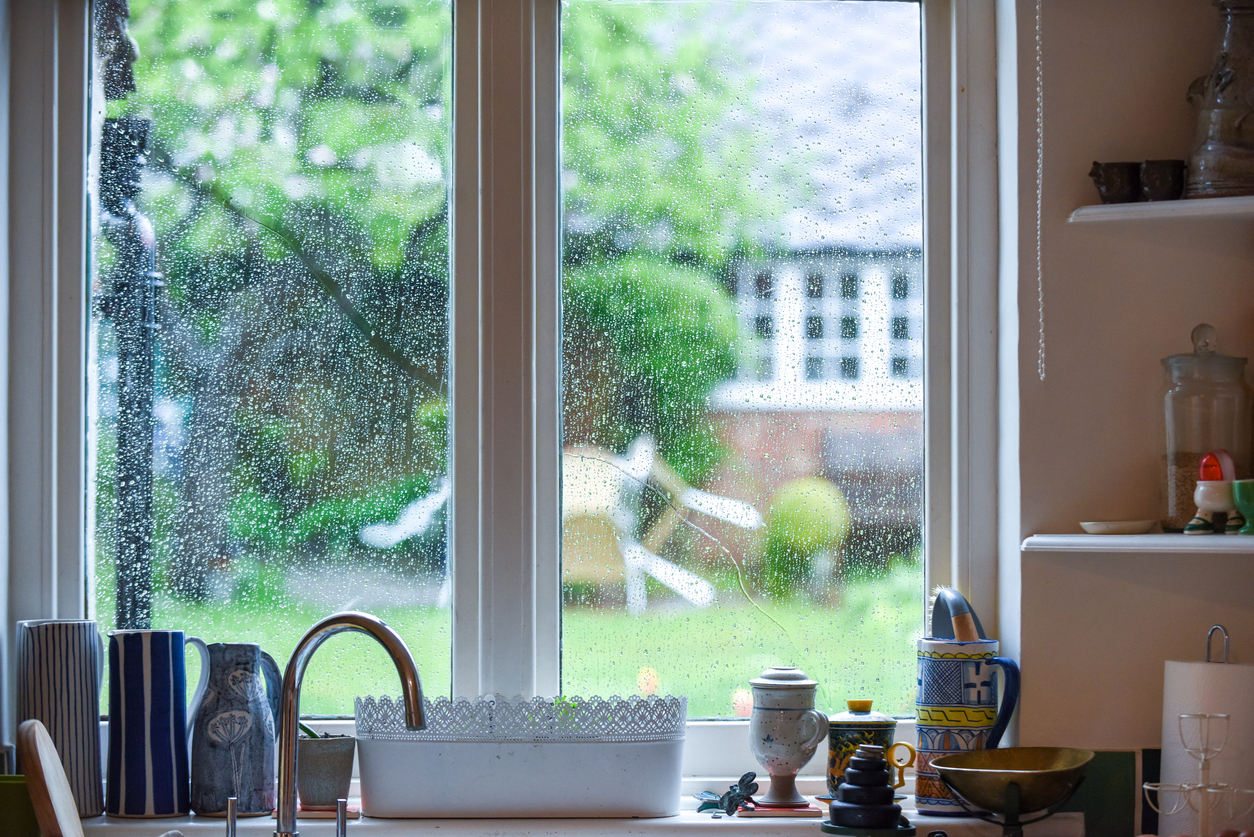
A home with bright light can feel “never clean” because every fingerprint, streak, and smudge is visible. Even when the home is objectively clean.
This is especially true in:
- kitchens with dark cabinets
- stainless steel appliances
- glass shower doors
- glossy tile
3. High-touch zones may be clean, but they don’t feel clean (experiential)
There are certain places your hands and body interact with constantly.
If those areas don’t feel clean, the whole home doesn’t feel clean.
Common offenders:
- light switches
- door knobs
- stair railings
- fridge handles
- cabinet pulls
- faucet handles
- the front of the dishwasher
- the edges of counters
- the spots where you lean
These are the places your brain uses as evidence.
You can walk into a sparkling room, touch one sticky cabinet pull, and your nervous system goes, “Nope.”
What helps: A cleaning plan that prioritizes high-touch zones every visit, not just the big obvious surfaces.
4. The floors might be clean, but they aren’t “reset” clean (technical)
Floors are the emotional foundation of the home.
If the floors don’t feel right, nothing feels right.
Even when a floor is cleaned, it may still have:
- grit in corners
- dust along edges
- buildup where people walk
- sticky residue from old products
- trapped pet hair
This is one reason people say, “It’s clean, but I still feel like I need to clean.”
What helps: Vacuuming thoroughly before any damp cleaning, using the right tools for edges, and avoiding product overload.
5. Dust is different from “dusty feeling” (technical)
Sometimes what people call “dusty” is not dust on furniture.
It’s dust in the air.
That’s a different problem, and it’s usually tied to HVAC airflow, fabrics, and filtration.
If your home feels dusty shortly after cleaning, you’re not imagining it. That is a real thing, and it’s fixable.
If that’s your main issue, you’ll want this article: Why Your Home Still Feels Dusty After Cleaning
6. Clutter doesn’t have to be “messy” to block the clean feeling (experiential)
This is one of the most important ones, and it’s also the hardest to talk about.
A home can be tidy and still feel visually crowded.
Too many items on surfaces can create a constant low-level feeling of noise, even when everything is wiped and dusted.
Common examples:
- piles of mail
- kids’ art projects
- too many bottles on the bathroom counter
- a kitchen counter that’s doing five jobs at once
- chairs used as clothing storage (we’ve all been there)
When the visual field feels busy, the home doesn’t feel clean. It feels unfinished.
What helps: Clearing just one surface per room. Not the whole house. One surface.
That small change has an outsized impact on how clean the home feels.
7. Smell can trick you in both directions (experiential + technical)
A lot of people associate “clean” with fragrance.
But fragrance is not cleanliness. It’s perfume.
And strong scents can backfire:
- they irritate people with sensitivities
- they create headaches
- they mask real odors instead of removing them
- they leave residue that attracts dust
On the other hand, if your home is used to scented products, switching to fragrance-free can feel strange at first.
Some people describe it as “it doesn’t smell clean,” even when it is.
What helps: Clean air. Open windows when possible. Removing odor sources rather than layering scent on top.
8. Some homes have wear that reads as “dirty” (technical)
This one is especially common in older homes.
A surface can be clean, but still look aged.
Examples:
- scratched floors
- dull finish on cabinets
- worn grout lines
- etched stone
- water marks on old fixtures
- stained caulk that needs replacement
Cleaning won’t fix wear. In fact, cleaning too aggressively can make it worse.
What helps: Knowing when you’re dealing with dirt vs damage, and adjusting expectations accordingly.
The bottom line
If your home looks clean but doesn’t feel clean, you’re not being picky.
You’re noticing something real.
Sometimes it’s technical: residue, airflow, floors, wear.
Sometimes it’s experiential: clutter density, high-touch zones, lighting, scent.
Most of the time, it’s a combination.
And once you identify what’s driving that “something’s still off” feeling, you can stop chasing clean and start getting the kind of clean that actually lasts.
FAQs
Q: Why does my house look clean but doesn’t feel clean, even after cleaning?
A: Often it’s not about visible dirt. Residue from products, floors that still hold grit along edges, clutter on surfaces, or high-touch areas that don’t feel fresh can make a home feel “unfinished” even when it looks clean.
Q: What is the biggest reason a clean home still feels dirty?
A: Residue is one of the biggest culprits. Many sprays and “shiny” products leave a film that attracts dust and makes surfaces feel sticky or dull, even right after cleaning.
Q: Why do my floors still feel dirty after I mop?
A: This is usually caused by one of three things: not removing grit before mopping, using too much product, or using a dirty mop pad that redeposits grime. Floors often need less cleaner and more thorough dry removal first.
Q: Can lighting make a home feel less clean?
A: Yes. Bright natural light and overhead LEDs can highlight streaks, fingerprints, and smudges that are easy to miss otherwise. It doesn’t mean your home isn’t clean. It means your lighting is honest.
Q: Why doesn’t my home smell clean if I use fragrance-free products?
A: Many people associate “clean” with scent, but fragrance is not the same thing as cleanliness. If you’re used to scented cleaners, fragrance-free cleaning can feel neutral at first. Clean air often smells like nothing.
Q: What should I focus on if I want my home to feel clean, not just look clean?
A: Prioritize high-touch zones (handles, switches, faucets), floors, and the surfaces that catch light (glass, stainless, mirrors). Also reduce residue by using products that rinse clean and don’t leave a film.
Q: What if my home feels dusty even after cleaning?
A: That’s usually a different issue. Dust that returns quickly is often tied to HVAC airflow, filtration, fabrics, and cleaning order. You can read more here: Why Your Home Still Feels Dusty After Cleaning (internal link)