


22 Dec 2025 Common Cleaning Mistakes That Can Damage Surfaces
Most people clean with good intentions. But even when you’re trying to take great care of your home, a well-meaning swipe or spray can do more harm than good.
The good news? A few simple changes can protect your surfaces, your tools, and even your health.
Here are the most common cleaning mistakes that damage surfaces — and what to do instead.
TL;DR:
- Using the wrong products, tools, or techniques can quietly damage your home’s surfaces.
- Avoid common mistakes like overspraying, over-scrubbing, mixing cleaners, or using abrasive tools
1. Using the Wrong Product for the Surface
This is the number one culprit behind dull countertops, cloudy mirrors, and streaky stainless steel. Bleach, vinegar, alcohol, and abrasive powders can all seem harmless until they meet the wrong material.
Examples:
- Vinegar on marble or stone can etch the surface permanently
- Bleach on stainless steel can corrode the finish
- Ammonia-based glass cleaners can cloud coated mirrors or TV screens
What to do instead:
Choose pH-neutral cleaners or products designed specifically for the surface you’re cleaning. When in doubt, check the manufacturer’s care guide. If you work with a professional cleaning service, make sure they understand what materials are in your home and how each surface should be treated.
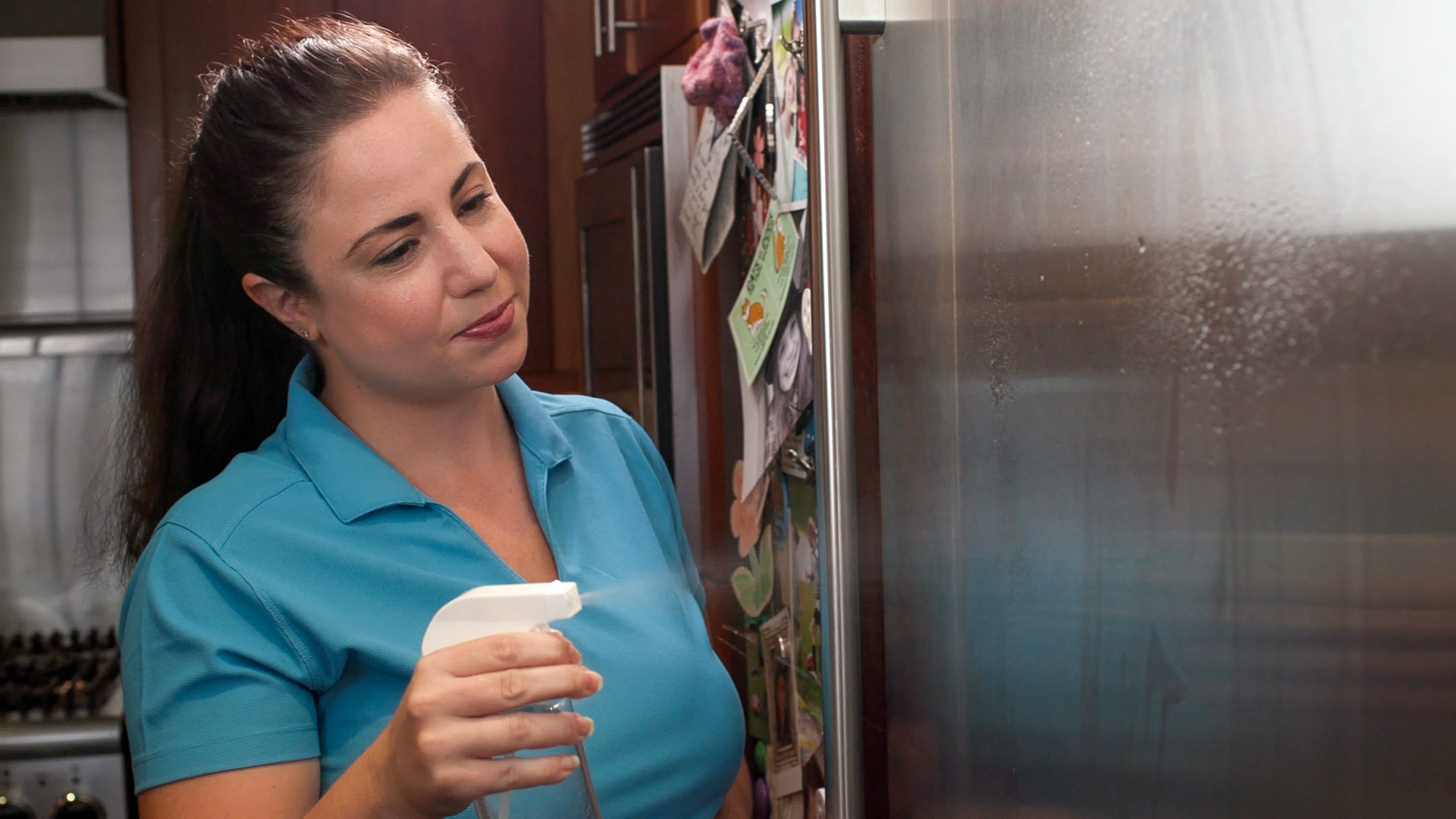
2. Spraying Cleaner Directly on Surfaces
Spray-and-wipe feels efficient, but it often leaves streaks, causes overspray, and can damage finishes.
Why it matters:
When cleaner sits too long on a surface — especially one with a delicate coating like wood, chrome, or electronics — it can seep into seams or dull the sheen.
What to do instead:
Spray cleaner onto your cloth, not directly onto the surface. This gives you more control and prevents liquid from pooling where it shouldn’t. Microfiber cloths work especially well because they lift dirt without scratching and don’t require much product.
3. Using Too Much Product
More cleaner doesn’t mean a cleaner surface. Excess product often leaves behind residue that attracts dust and grime. Sticky buildup is one of the main reasons freshly cleaned surfaces look dusty again so quickly.
What to do instead:
Follow the label directions and buff surfaces dry afterward. When disinfecting, allow the product’s dwell time — the few minutes it needs to kill germs — then wipe it completely clean. Less product, used correctly, works far better.
4. Skipping Rinse or Dry Steps
Leaving cleaner behind — especially in kitchens and bathrooms — dulls surfaces and damages finishes over time. Water spots on chrome or soap residue on tile are usually the first signs.
What to do instead:
After cleaning, wipe high-touch surfaces with a damp microfiber cloth, then dry with a clean towel. It takes seconds and makes a noticeable difference.
5. Using Abrasive Tools on Delicate Materials
Steel wool, rough scrub pads, and even certain “magic” erasers can remove protective coatings or scratch surfaces when used incorrectly.
Common casualties include:
- Stainless steel appliances
- Glass-top stoves
- Painted or lacquered wood
- Shower doors with protective coatings
What to do instead:
Use soft microfiber cloths, gentle nylon scrubbers, or non-scratch pads. For stubborn buildup, let the cleaner do the work. Soaking or allowing dwell time beats scrubbing harder every time.
6. Ignoring Product Interactions
Mixing cleaning products can be dangerous. Some combinations — like bleach and vinegar or bleach and ammonia — release toxic gases. Even when mixing doesn’t create fumes, it can cancel out effectiveness.
What to do instead:
Use one cleaner at a time, and never mix products unless you’re following a verified, trusted formula. Avoid DIY mixtures that sound “natural” but lack scientific backing. (Baking soda and vinegar, for example, neutralize each other and stop working.)
7. Forgetting About Water Quality
Hard water leaves mineral deposits that dull surfaces no matter how often you clean. Those minerals can also react with cleaners and cause streaking.
What to do instead:
Use distilled water for your final wipe on glass or shiny surfaces. If you live in a hard-water area, consider a water softener or filtration system. It helps both your home and your cleaning results.
8. Using the Wrong Cloth or Technique
Old cotton towels, paper towels, or rags with fabric-softener residue often leave lint or smears behind. Technique matters just as much as product choice.
What to do instead:
Use clean, dry microfiber cloths washed separately from regular laundry with no fabric softener. Fold them into quarters and wipe in consistent, overlapping strokes to reduce streaking.
9. Skipping Test Spots
Every surface has a history. A countertop may have been refinished years ago, or a floor sealed with a specialty product. Testing first prevents costly surprises.
What to do instead:
Before using a new cleaner or tool, test it in an inconspicuous area. Think of it as the cleaning version of “measure twice, cut once.”
10. Cleaning Too Aggressively
Rushing or over-scrubbing rarely helps and often causes micro-scratches that collect dirt faster the next time you clean.
What to do instead:
Slow down and let the product work. Dwell time and gentle, repeated motions deliver better results than pressure. Professional-level cleaning relies on the right cleaner, the right cloth, and the right rhythm
The Bottom Line
Good cleaning isn’t about elbow grease. It’s about understanding what works for each surface — and why.
When you use the right products, tools, and techniques, your home doesn’t just look better. It lasts longer. That’s the difference between “clean for now” and “clean that protects.”
FAQs
Q: Can cleaning products really damage surfaces?
A: Yes. Many common cleaners—especially acidic, abrasive, or overly strong products—can dull finishes, cause etching, or strip protective coatings over time, even when used with good intentions.
Q: Is vinegar safe to use for cleaning?
A: Vinegar works well on some surfaces, but it can permanently damage stone, marble, and certain finishes. Always check what a surface can tolerate before using acidic cleaners.
Q: Do microfiber cloths really make a difference?
A: They do. Microfiber lifts dirt without scratching and requires less product than cotton towels or paper towels, which can leave lint or residue behind.
Q: Why do surfaces look dirty again so quickly after cleaning?
A: Residue from too much product or improper rinsing attracts dust and grime. Using less cleaner and fully wiping surfaces dry helps them stay clean longer.