10 Dec 2025 Why Your Floors Aren’t Going to Pass the White Paper Towel Test
You clean your floors (or have them professionally cleaned) and expect them to look spotless. But the next morning, you wipe a corner with a white paper towel — and it comes up gray. If you’ve ever wondered why your floors still fail the white paper towel test, you’re not alone. The truth is, the test doesn’t measure real cleanliness, and even well-cleaned floors won’t pass it perfectly.
TL/DR
- Floors often “fail” the white paper towel test for reasons other than poor cleaning.
- Old product residue, HVAC airflow, and paper towel fibers can all create misleading results.
- A clean floor is one that looks even, feels smooth, and stays clean under socks — not one that passes a flawed test.
- Understanding why your floors don’t pass the white paper towel test helps you focus on health, not perfection.
What Is the White Paper Towel Test?
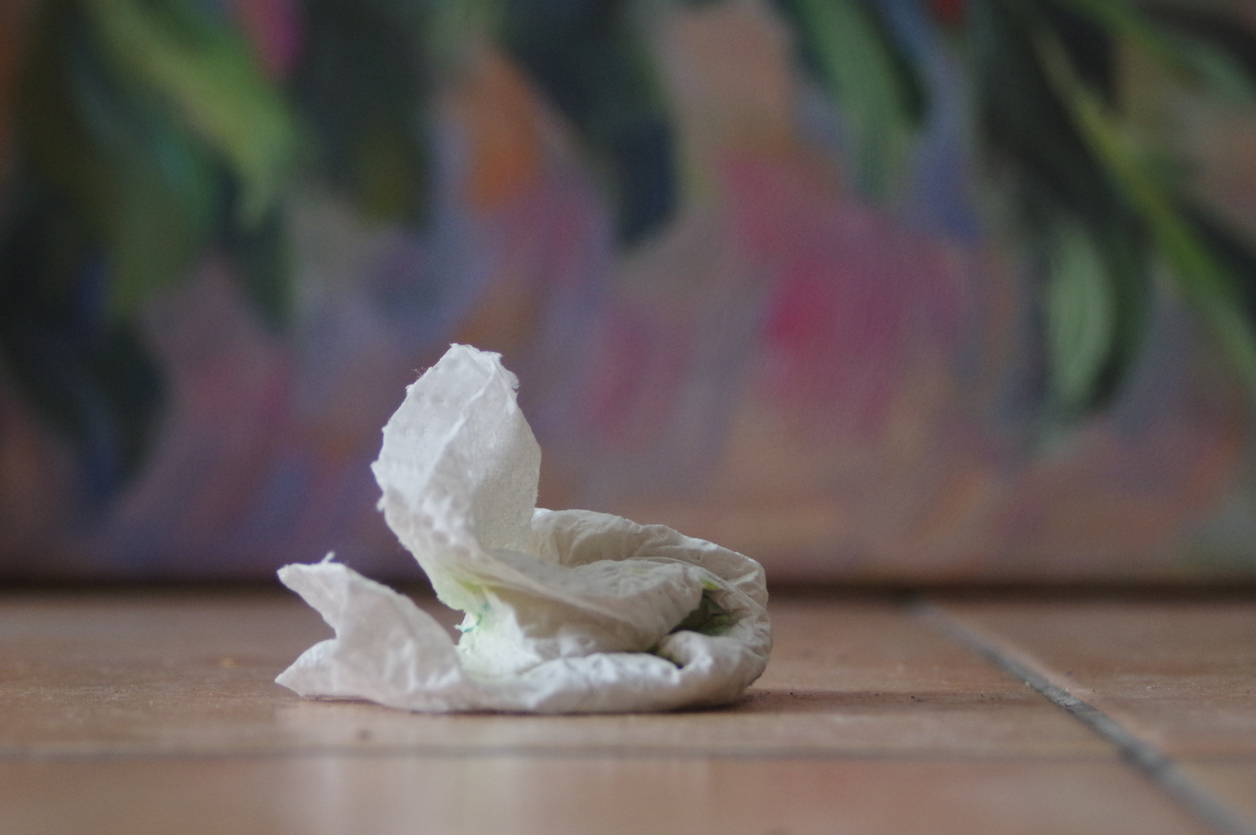
The concept sounds simple: wipe a paper towel across your floor and see if it stays clean. But the white paper towel test doesn’t actually measure whether your floors were cleaned well — it measures how easily microscopic particles get picked up.
Even the cleanest, best-maintained floors will show residue on a towel. Here’s why.
1. Everyday Dust Resettles Immediately
Dust is just relentless. Skin cells, lint, clothing fibers, and airborne particles start settling the moment the mop leaves the floor.
When you wipe with a paper towel after a cleaning, you’re likely picking up new dust, not leftover grime.
2. Old Cleaning Product Residue Can Reappear
If you’ve used traditional cleaning products in the past, they may leave layers of residue. When a residue-free cleaning method is used (like electrolyzed water), those older layers loosen.
So what’s showing up on the towel isn’t from the current cleaning — it’s likely from older buildup breaking down.
3. Paper Towels Aren’t Neutral Tools
Paper towels are designed to grab. They also shed micro-fibers, which can blend with natural oils or past product residue.
This can create the illusion that a floor is still dirty even when it’s completely clean.
4. Floors Aren’t Meant to Be Sterile
Floors are meant to be lived on, walked on, and used. A floor that is safe, residue-free, and even in appearance is clean, even if it won’t pass the paper towel test.
A sterile floor would require chemicals strong enough to damage surfaces in a home — which is never the goal.
What a Truly Clean Floor Looks and Feels Like
A properly cleaned floor should be:
- Even in appearance
- Smooth but not slippery
- Fresh-smelling without perfumes
- Free of sticky films
- Clean enough that socks stay mostly clean
That’s the real test — not a paper towel.
The Bottom Line
No lived-in floor will ever pass the white paper towel test perfectly — and that’s okay. It doesn’t mean your home isn’t clean; it means your home is lived in.
A “failed” paper towel test isn’t a sign of poor cleaning — it’s a sign that real life leaves traces. The goal is a floor that looks clean, feels clean, and stays healthy — not one that passes a flawed test meant for labs, not living rooms.
FAQs
Q: Why does my floor still look dirty on a paper towel after cleaning?
A: Because the white paper towel test picks up new dust and micro-residue, not leftover dirt. It’s normal — even right after a cleaning.
Q: Is my cleaning service doing a bad job if the paper towel shows residue?
A: Not at all. The test is misleading. A clean floor is smooth, even, and residue-free — not necessarily “paper towel perfect.”
Q: What’s a better way to judge if my floors are clean?
A: Sock test! If your socks stay mostly (key word is “mostly”!) clean and the floor feels smooth, your floors are clean.
Q: Can I improve my floor’s results over time?
A: Yes. Use residue-free products, vacuum often, and avoid heavy detergents. Over time, old buildup fades and floors stay cleaner longer.