


28 Feb 2026 6 Kitchen Design Choices That Make Cleaning Harder, According to Pro Cleaners
By Sarah Lyon
See the full article on The Spruce
Key Points
- Porous and textured surfaces trap stains and moisture.
- High-maintenance seating stains, traps debris, or wears quickly.
- Dust-collecting cabinet designs make upkeep harder.
If your oven racks are looking more brown than silver, it’s probably time (or past time) to clean them, and it’s highly likely you have what you need to bring them back to life in your cabinets already.
That’s right—you can scrub burnt bits, grease, and baked-on food away with the grit of baking soda.
“It breaks down grease and lifts baked-on residue without harsh fumes,” says Robin Murphy, who works as the chief cleaning officer at Maid Brigade.
Cleaning the kitchen is never fun, but there are some design details that might be sneakily sabotaging your kitchen’s cleanliness. Certain materials, textures, grout lines, and more trap crumbs and grease easier than others.
We asked cleaning pros to highlight some common design choices that might seem beautiful in theory but actually make a kitchen more difficult to maintain, and they delivered, citing six major pitfalls.
Meet the Expert
- Robin Murphy is the founder of ChirpChirp, a housecleaning company.
- Tanu Grewal is the chief cleaning officer at Ensueno Laundry, Pinalen Multipurpose Cleaner, and Cloralen Bleach.
- Danielle Moore is the founder of A Little Moore Clean.
Tile Countertops, Backsplashes, and Floors
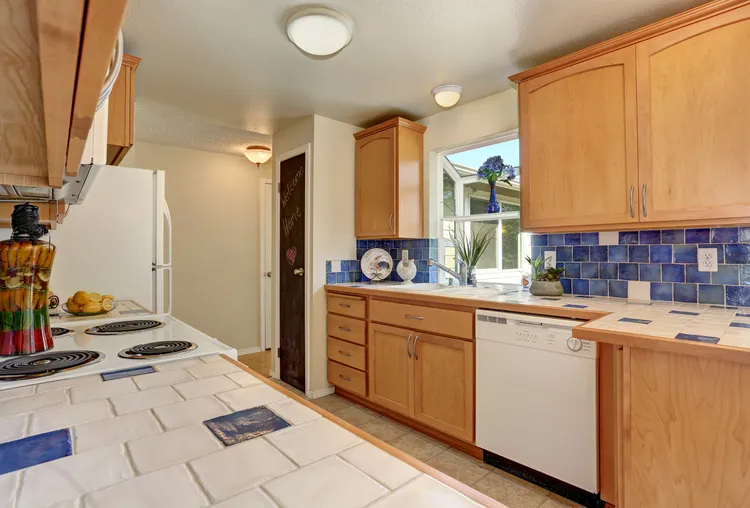
Although tile countertops, backsplashes, and floors are popular choices in many kitchens, they pose a challenge when it comes time to clean due to their grout, explains Tanu Grewal, chief cleaning officer at Ensueno Laundry, Pinalen Multipurpose Cleaner, and Cloralen Bleach.
“Whether it’s tile counters, backsplashes, or kitchen floors, anything with thick grout lines will grab onto food crumbs, spills, and stains,” Grewal says.
Danielle Moore, the founder of A Little Moore Clean, agrees that grout can pose many issues when it comes to maintenance. “Cleaning it properly takes serious elbow grease and so much extra time,” she says.
Porous Marble Countertops
Moore adds that textural materials are equally challenging—and sometimes disguise the mess.
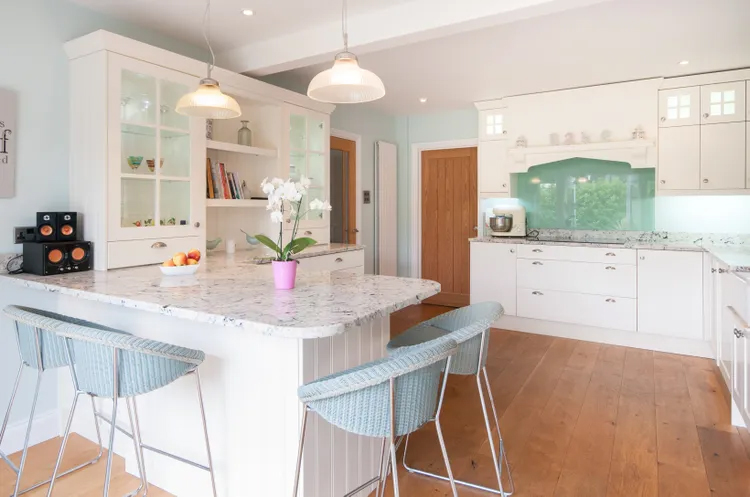
“You have to be extra cautious with heavily marbled designs because sometimes you can’t tell if what you’re feeling while wiping is food residue or part of the stone pattern itself,” she says.
The better countertop material alternatives? Quartz and polished granite, Moore says, citing their non-porous qualities.
Butcher Block Countertops
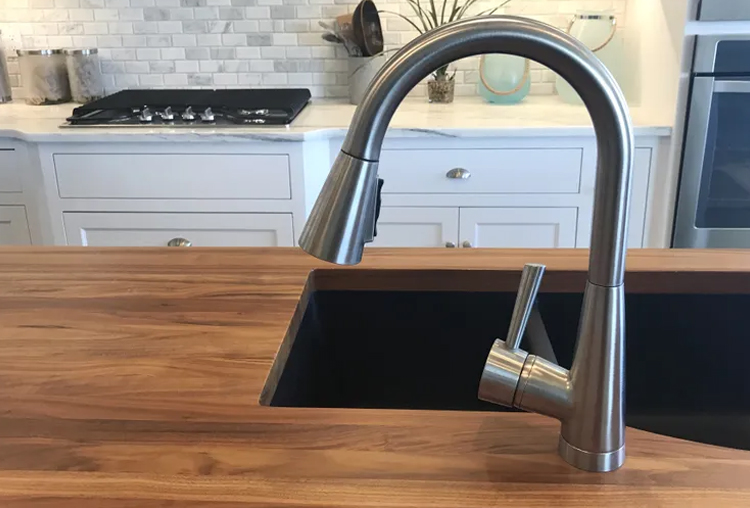
Butcher block countertops are also porous and can absorb water, oil, and food stains, Robin Murphy, the chief cleaning officer at Maid Brigade, says.
“It requires regular oiling and can be damaged by standing moisture,” she adds.
Non-Washable Kitchen Chairs
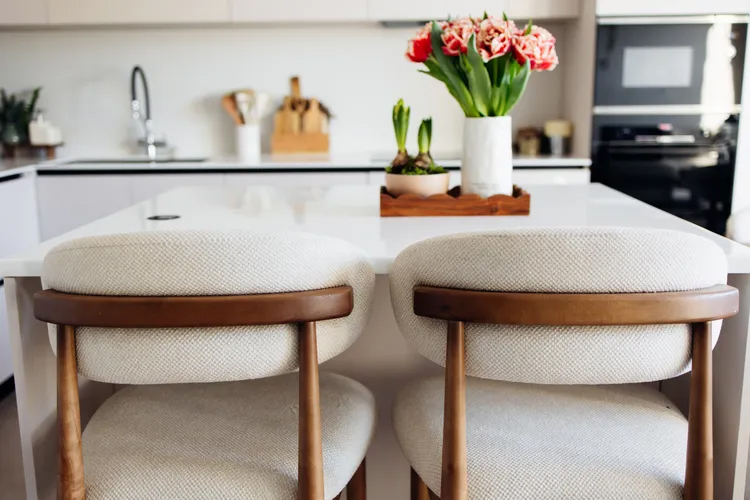
When it comes to selecting your kitchen chairs, it’s smart to invest in some that can be washed easily if needed, Moore explains, noting that she always recommends going with leather or removable performance fabric seating, which is easy to wipe down or launder.
“While wicker, tufted, mesh, fuzzy, or light-colored fabric chairs may be visually appealing, they trap food and debris and tend to become high maintenance over time,” she says.
And be mindful when it comes to faux leather kitchen seating.
“While it wipes clean initially, it is prone to cracking and peeling with repeated cleaning, heat exposure, and normal wear,” Murphy says. “Once the surface begins to break down, it cannot be restored.”
Additionally, Murphy advises sticking with simple, darker colored upholstery when selecting your kitchen seating. “Light colors stain easily, and textured fabrics hold onto grease and dust,” she says.